Key Findings
The Seesaw Theory posits that consciousness is not a static state, but a dynamic equilibrium maintained by a constant barrage of tiny, binary shifting decisions. By mapping these cascades, we can observe how operational limits interface with affective somatic telemetry.
Significant research has been dedicated to auditing the "industrial smoothing" of human emotion—the systemic damping of these cascades in modern clinical environments. The Seesaw model provides the necessary mathematical and physiological baseline to reclaim these oscillations.
⎋ view supplementary files on github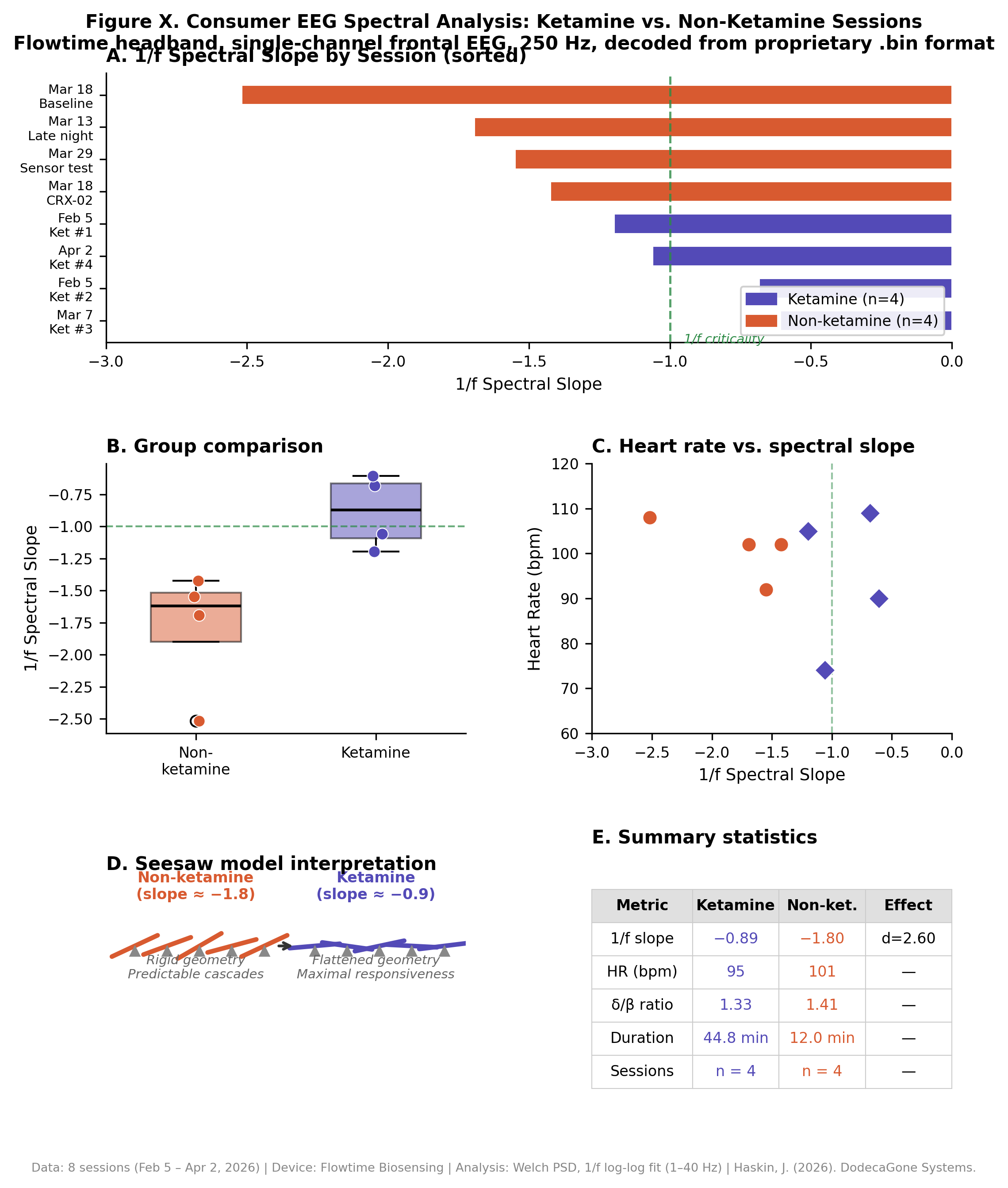
fig 1.1 — operational cascade equilibrium